
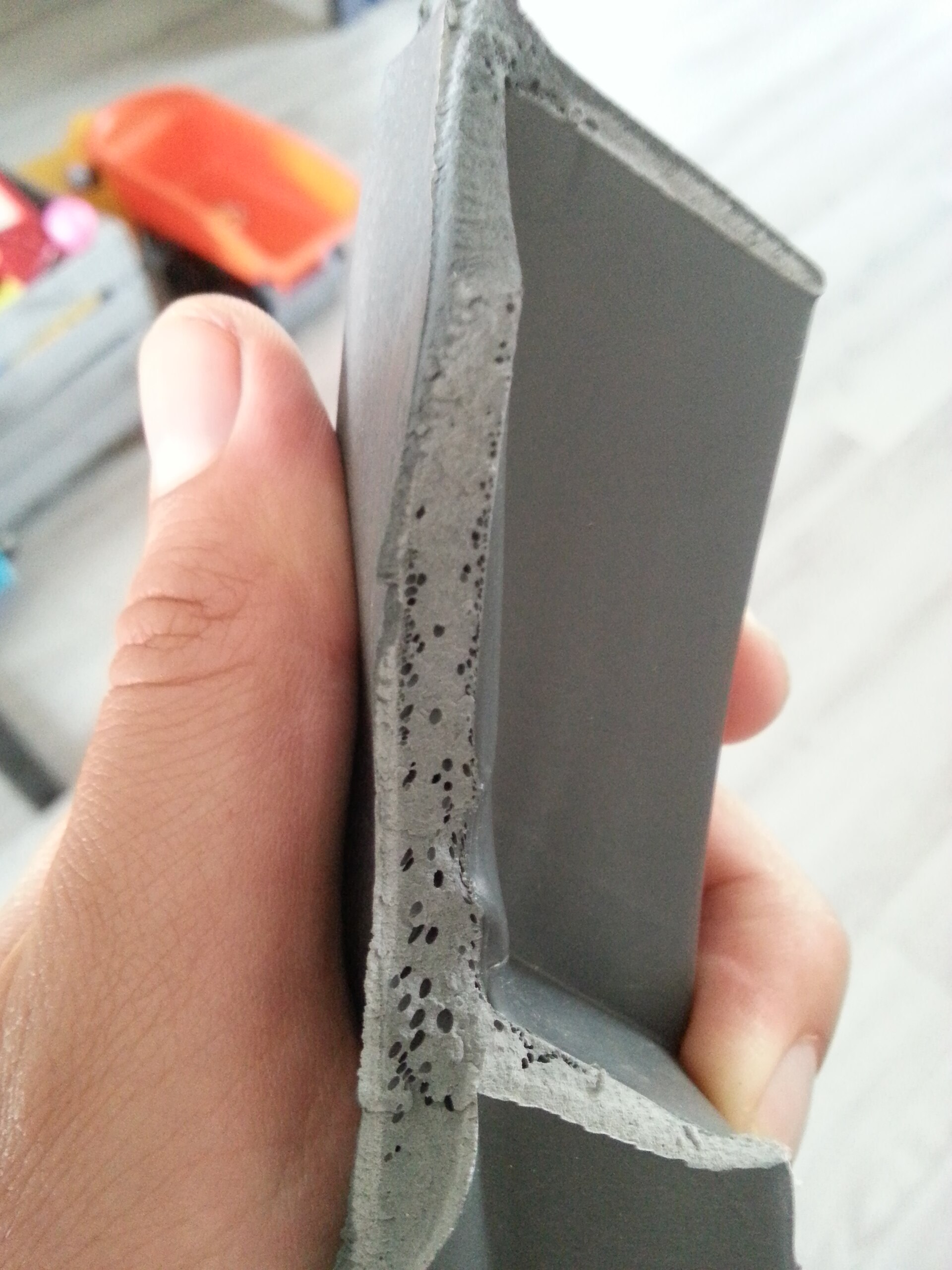
Look at defect location first
Sink marks usually appear behind thick sections, bosses and ribs. Flash is often related to shutoff and mold locking. Weld lines and trapped air appear near flow meeting or last-fill areas.
Review part and mold before tuning
Sudden wall changes, thick ribs, small gates or poor venting are structural and mold issues. Tuning alone rarely removes the root cause.
Read the process window
Record melt temperature, mold temperature, speed, packing, cooling and photos. Without data, defect diagnosis becomes guesswork.
What to provide for discussion
Photos, material direction, wall thickness, gate location, defect position, trial parameters and quantity target make discussion more useful.
References: Protolabs Xometry Plastics Technology MoldMaking Technology
Content is rewritten and summarized from public sources; images are site-owned process illustrations.
Content is rewritten and summarized from public sources; images are site-owned process illustrations.
Discussion and Questions
Leave questions about material selection, molding defects, mold structure, prototyping, or project review. Comments can be moderated in WordPress.
No discussion yet. You can leave the first question.