
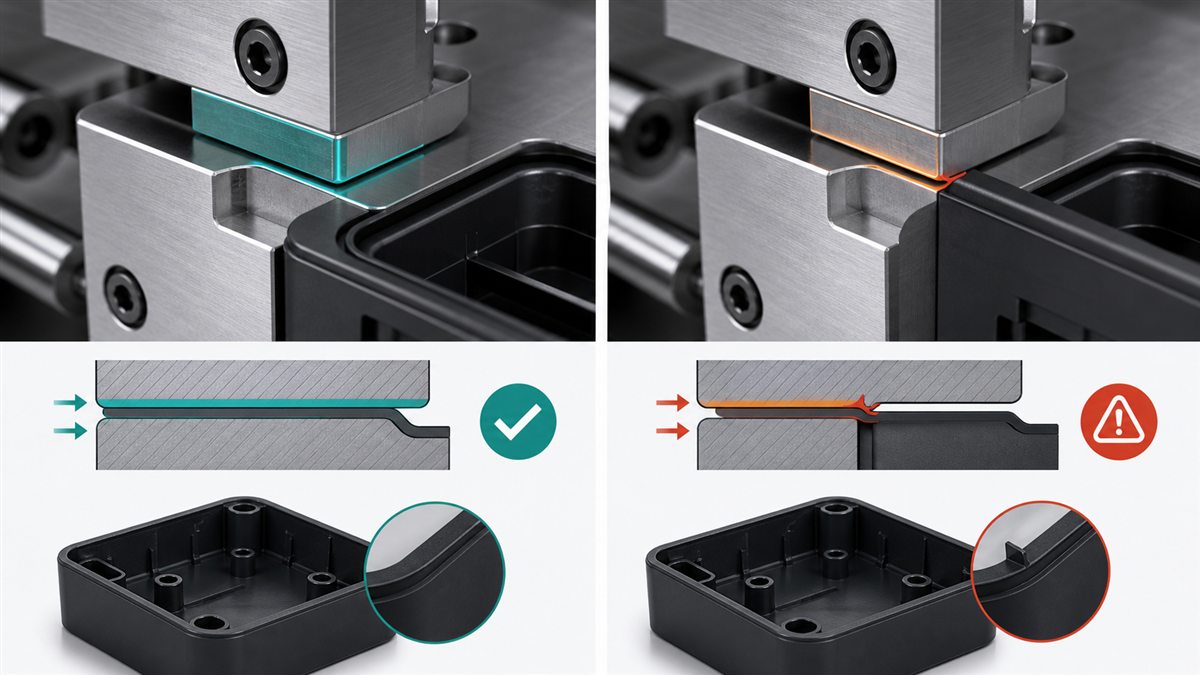
Check shutoff strength, sealing area and visible parting line position.
Mold Making
Mold development decides the foundation of stable injection production.
We review parting, demolding, gate, venting, cooling, ejection, inserts and maintenance before mold building.
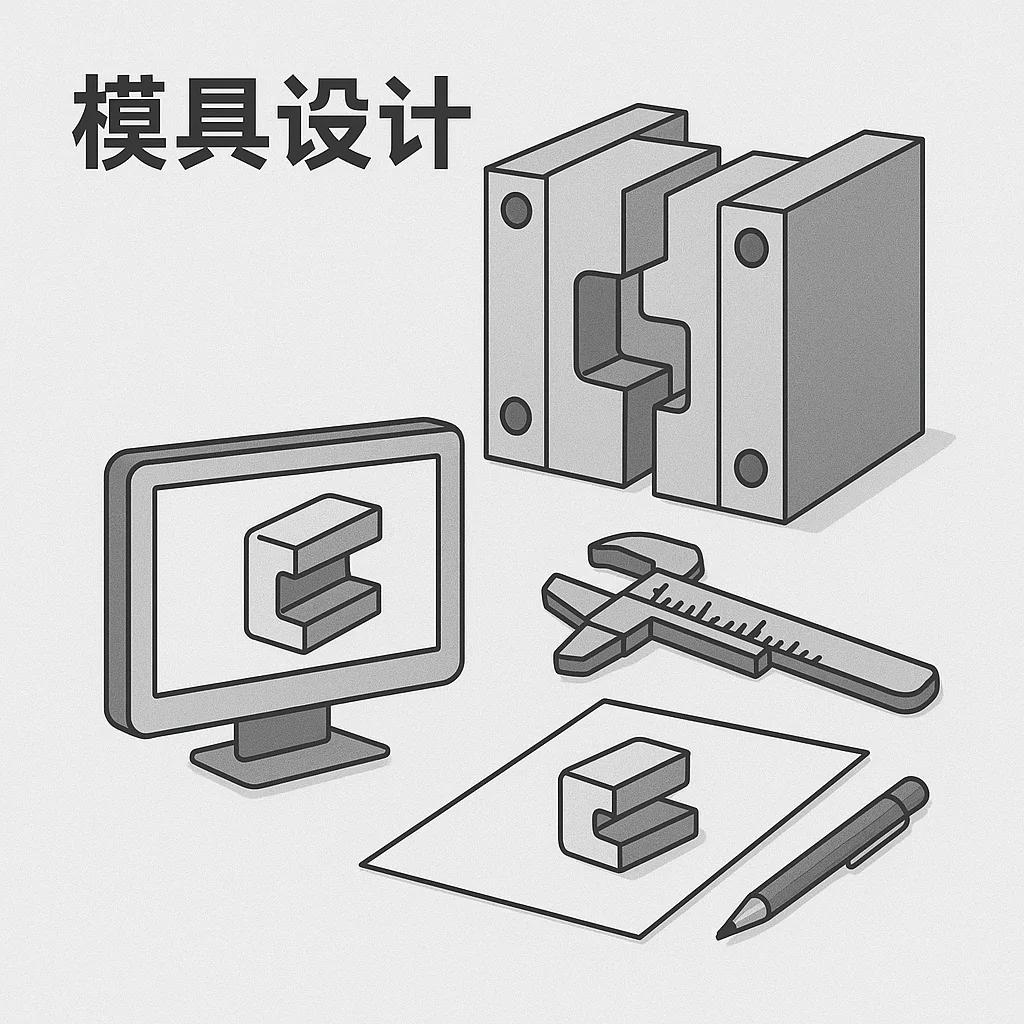
Risk Review
We first identify the risks that may affect tooling and production.
Identify side holes, hooks, windows and reverse steps before tooling.
Plan vents at end-of-fill and trapped-air areas.
Use replaceable inserts where wear or flash may appear repeatedly.
Engineering Path
Mold development must consider demolding, venting, cooling and repair from the beginning.
01Requirement review
Confirm drawings, samples, size, quantity, use environment and target cost.
02Structure judgment
Check wall thickness, draft, undercuts, ribs, bosses, assembly and appearance surfaces.
03Validation and optimization
Use prototype, mold flow review or structural review when the risk is unclear.
04Tooling and production
Move into mold plan, trial mold, correction, pilot run and delivery tracking.
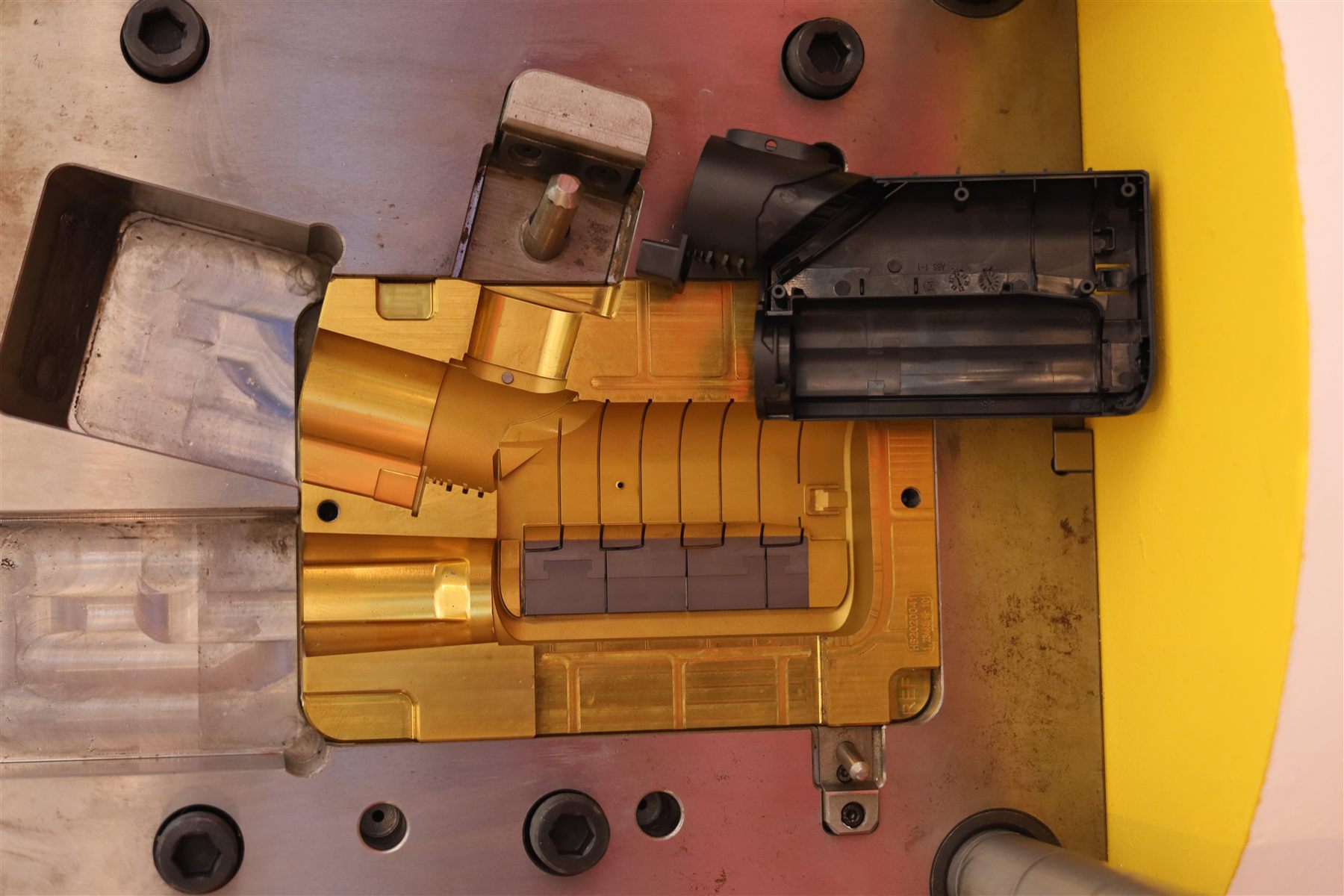
Engineering Judgment
A reliable mold plan makes trial mold correction easier.
Injection mold development based on drawings, samples, photos, or design requirements with structure and cost review.
Method
A reliable mold plan makes trial mold correction easier.
Input
Drawings, 3D files, samples, photos, quantity and use requirements.
Review
Evaluate structure, tooling, molding, assembly and possible weak areas.
Output
Provide actionable suggestions for structure, mold or process adjustment.
Mold Structure
The key is to make demolding, manufacturing and maintenance realistic.
 01
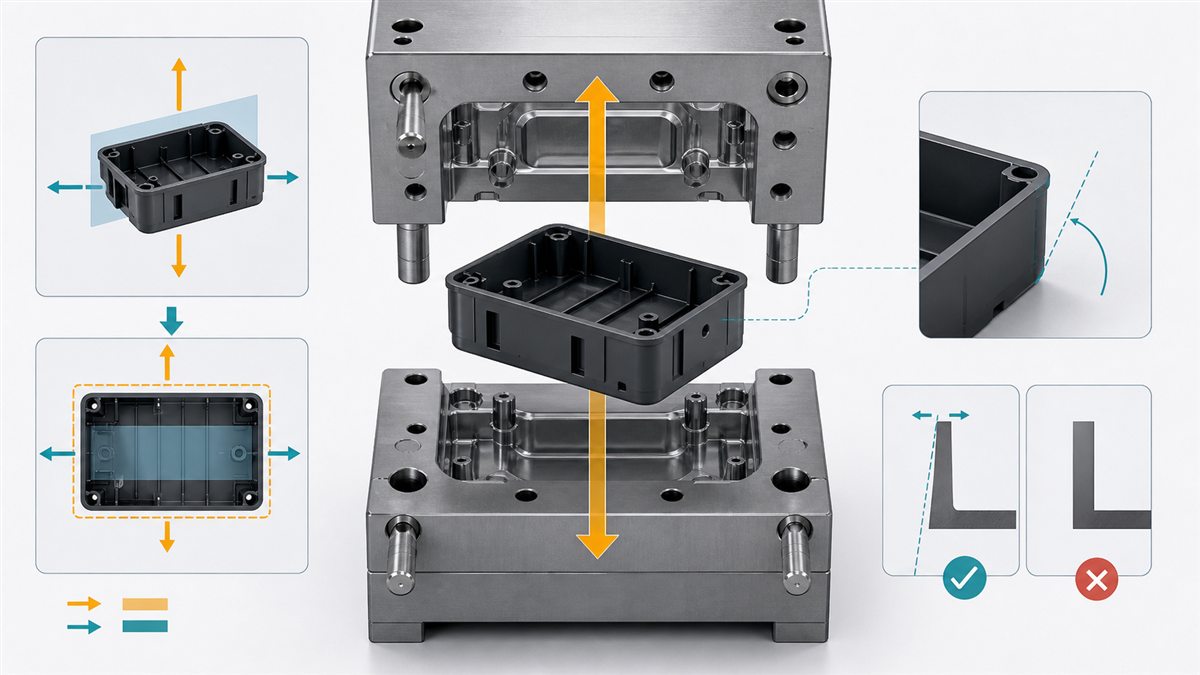
01Main direction
Confirm the largest projection direction, deep cavity direction and draft condition first.
 02
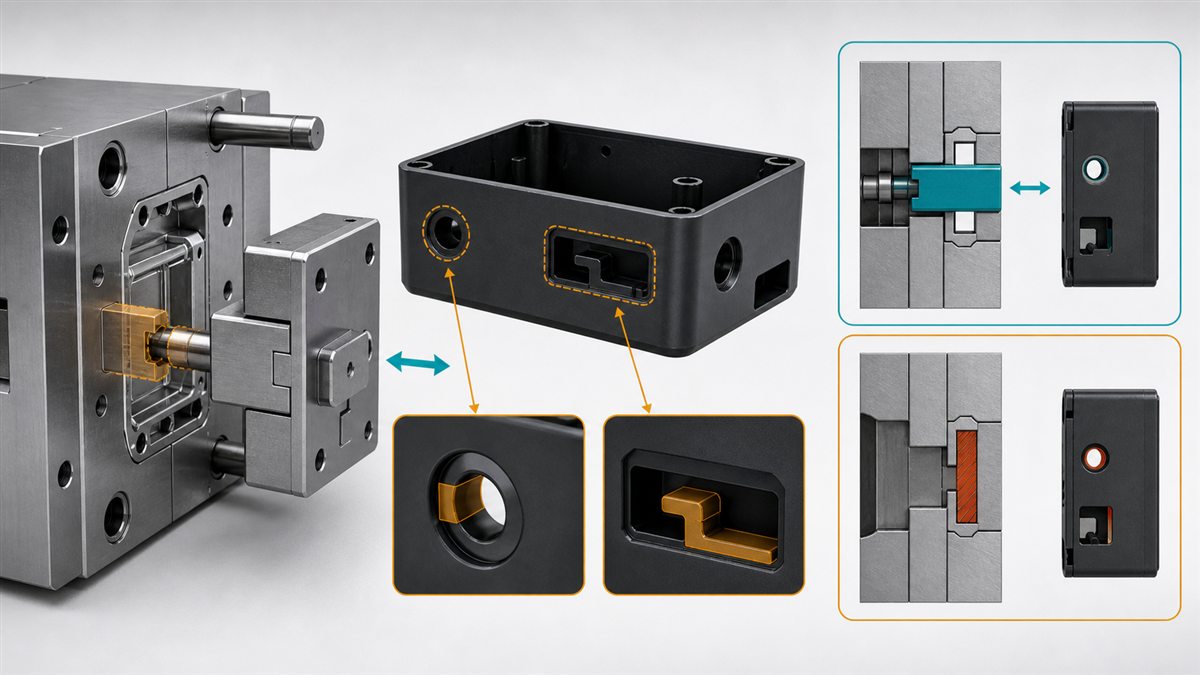
02Undercuts
Side holes, windows, hooks and reverse steps decide whether sliders or lifters are needed.
 03
03Shutoff and flash
Weak shutoff areas and sharp corners can cause flash and maintenance problems.
Venting
Venting is used to let trapped air escape during filling.
Poor venting may cause short shots, burn marks, weld-line issues and unstable appearance. Vent positions are usually judged by filling end, trapped-air area, rib end and shutoff condition.
Place vents where melt flow arrives last and air is likely trapped.
Deep ribs, bosses and closed cavities often need extra venting attention.
Vents must be easy to clean and not create excessive flash after wear.
Gallery
Mold structure, parting and manufacturing details.
Mold structure, parting and manufacturing details.
Mold structure, parting and manufacturing details.
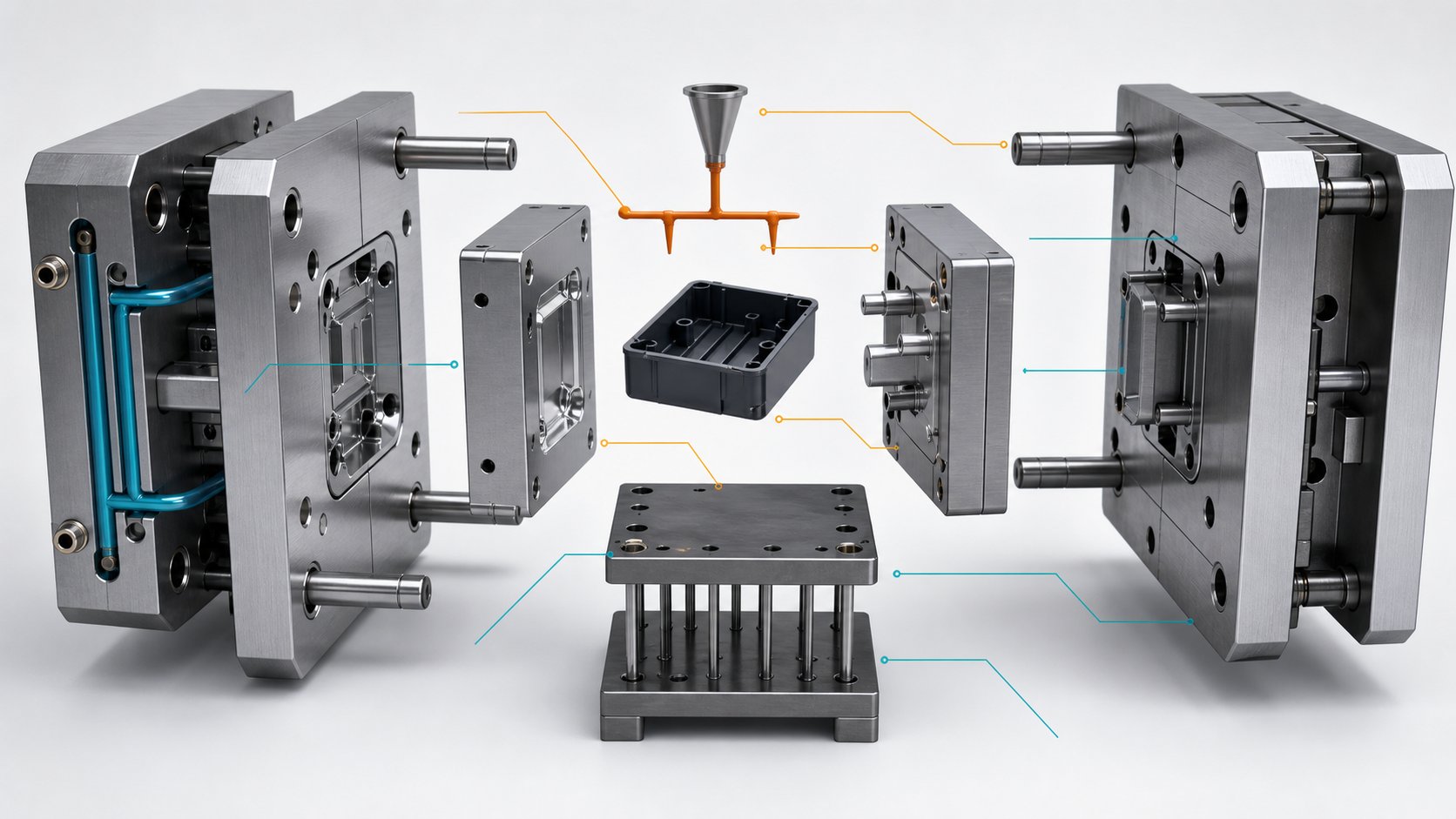
Mold structure, parting and manufacturing details.
Checklist
Core mold development checks.
Parting, gate, venting, cooling and ejection reviewConfirm before moving to the next engineering step.
Mold plan and trial mold optimizationConfirm before moving to the next engineering step.
Maintenance and cost-control suggestionsConfirm before moving to the next engineering step.
Communication recordKeep key assumptions, changes and acceptance criteria clear.
Inquiry
Have drawings or samples? Send them to us for evaluation.
For a more accurate review, please provide product images, 2D drawings, 3D files, dimensions, part weight, estimated quantity, color, surface requirements, and whether a mold already exists.