
Check proportion, visual surface and ergonomic direction.
3D Printed Prototyping
3D printed prototypes help verify appearance, space and assembly before tooling.
Before opening a mold, prototypes can quickly expose size, assembly and basic function issues.
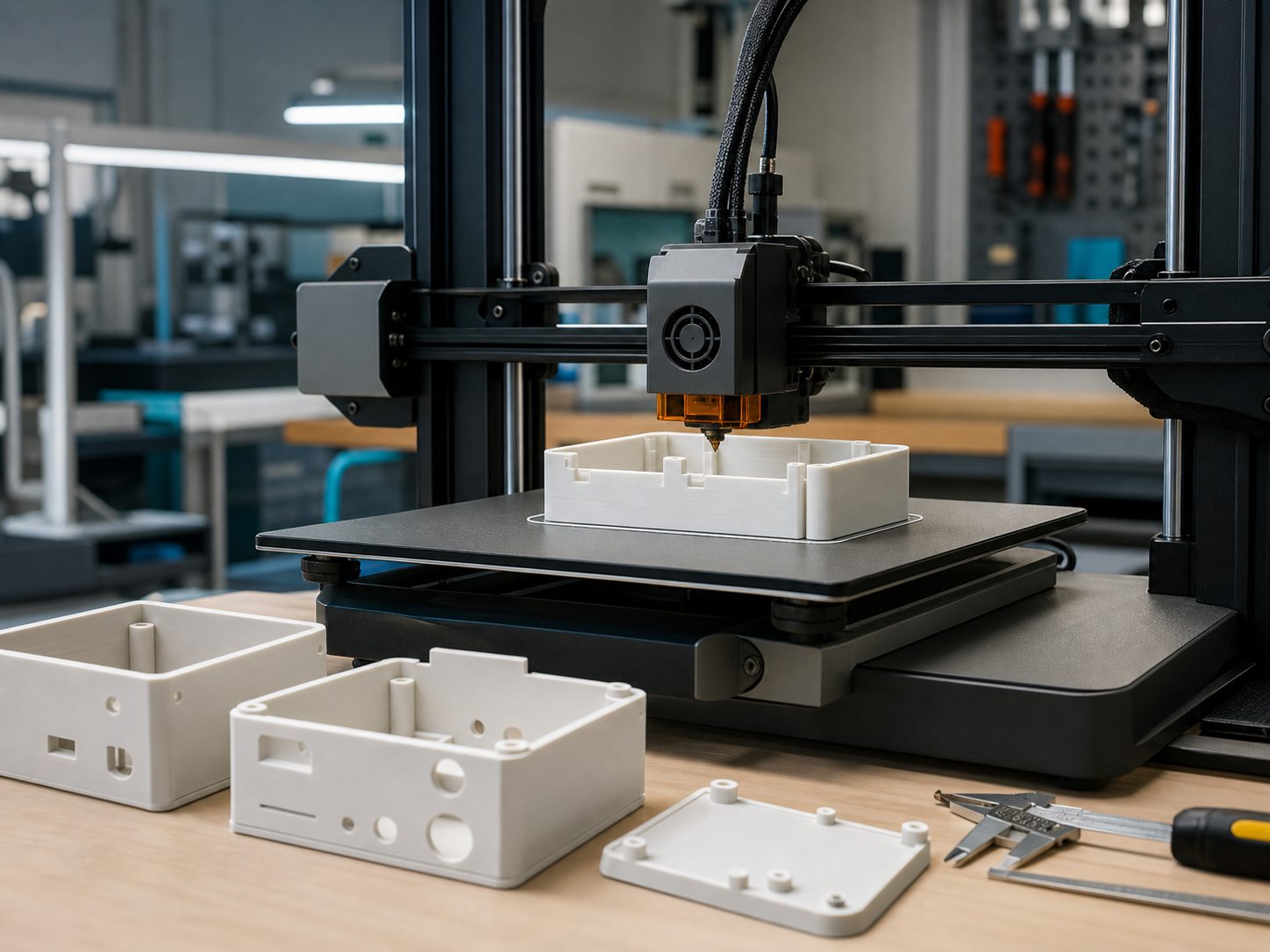
Risk Review
We first identify the risks that may affect tooling and production.
Test space, clearance and locating relationships.
Verify basic function before tooling investment.
Use prototype feedback to adjust structure earlier.
Engineering Path
Prototype first, then decide whether the structure is ready for tooling.
01Requirement review
Confirm drawings, samples, size, quantity, use environment and target cost.
02Structure judgment
Check wall thickness, draft, undercuts, ribs, bosses, assembly and appearance surfaces.
03Validation and optimization
Use prototype, mold flow review or structural review when the risk is unclear.
04Tooling and production
Move into mold plan, trial mold, correction, pilot run and delivery tracking.
Engineering Judgment
Prototyping reduces communication cost before mold development.
Fast verification of appearance, structure, and assembly before mold making.
Method
Prototyping reduces communication cost before mold development.
Input
Drawings, 3D files, samples, photos, quantity and use requirements.
Review
Evaluate structure, tooling, molding, assembly and possible weak areas.
Output
Provide actionable suggestions for structure, mold or process adjustment.
Gallery
Prototype printing and validation scenes.
Prototype printing and validation scenes.
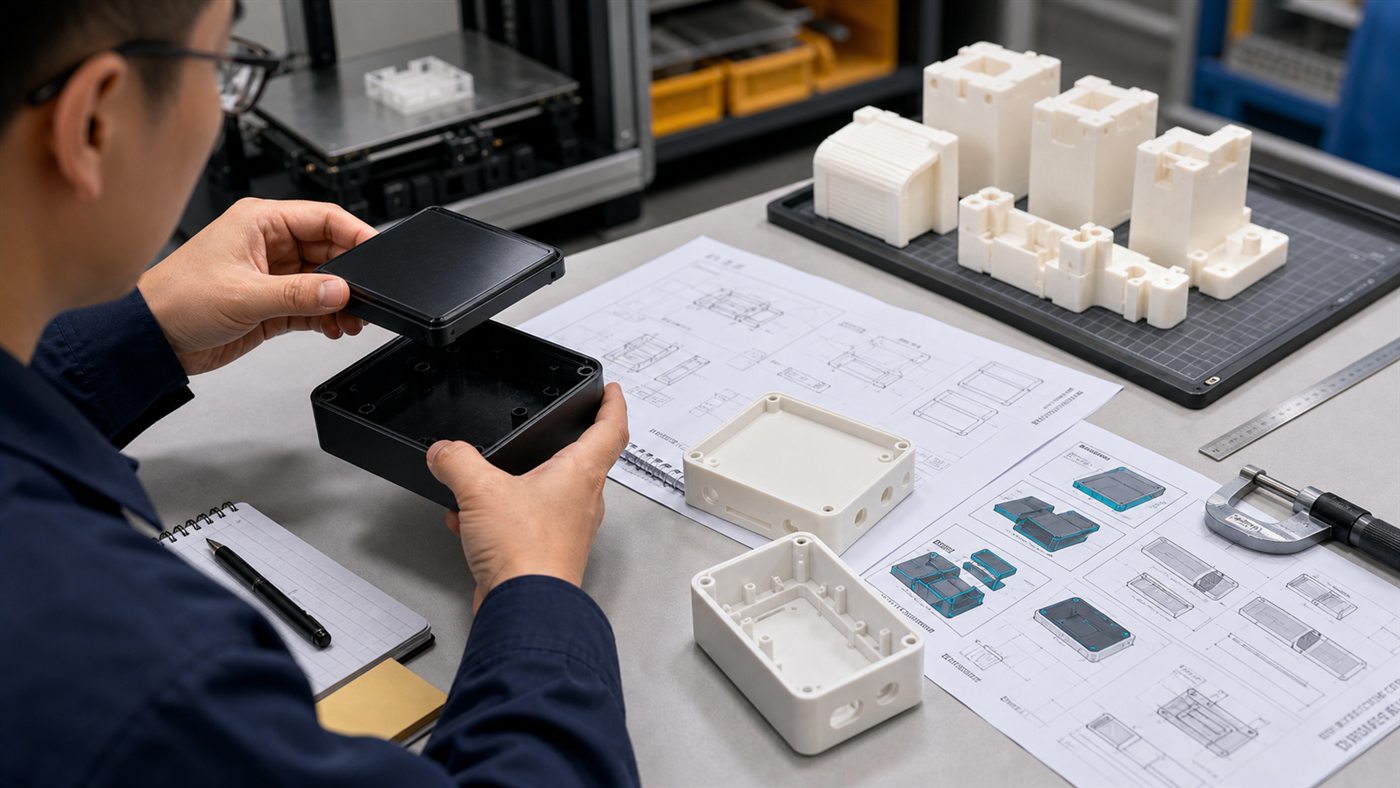
Prototype printing and validation scenes.
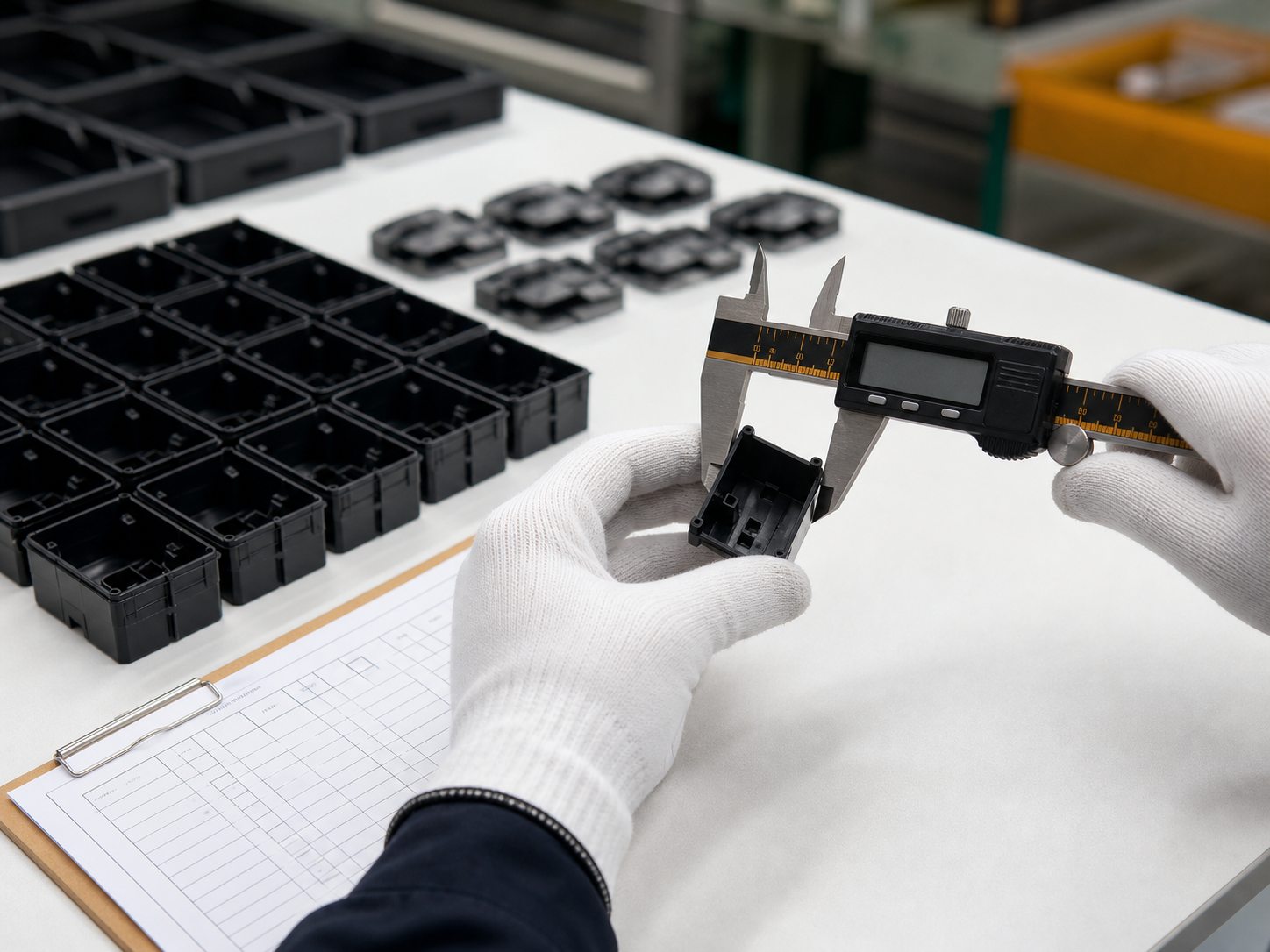
Prototype printing and validation scenes.
Checklist
Prototype evaluation checklist.
Check appearance and scaleConfirm before moving to the next engineering step.
Verify assembly, interference and basic functionConfirm before moving to the next engineering step.
Support design adjustment before mold makingConfirm before moving to the next engineering step.
Communication recordKeep key assumptions, changes and acceptance criteria clear.
Inquiry
Have drawings or samples? Send them to us for evaluation.
For a more accurate review, please provide product images, 2D drawings, 3D files, dimensions, part weight, estimated quantity, color, surface requirements, and whether a mold already exists.